Business Intelligence
GCP vs AWS for AI Workloads in 2024: Enterprise Cloud Strategy, Cost, and MLOps Comparison
An in-depth 2024 enterprise comparison of GCP vs AWS for AI workloads. Explore Vertex AI vs SageMaker, TPU vs GPU infrastructure, AI cost optimization, scalability, MLOps maturity, and strategic cloud architecture decisions.
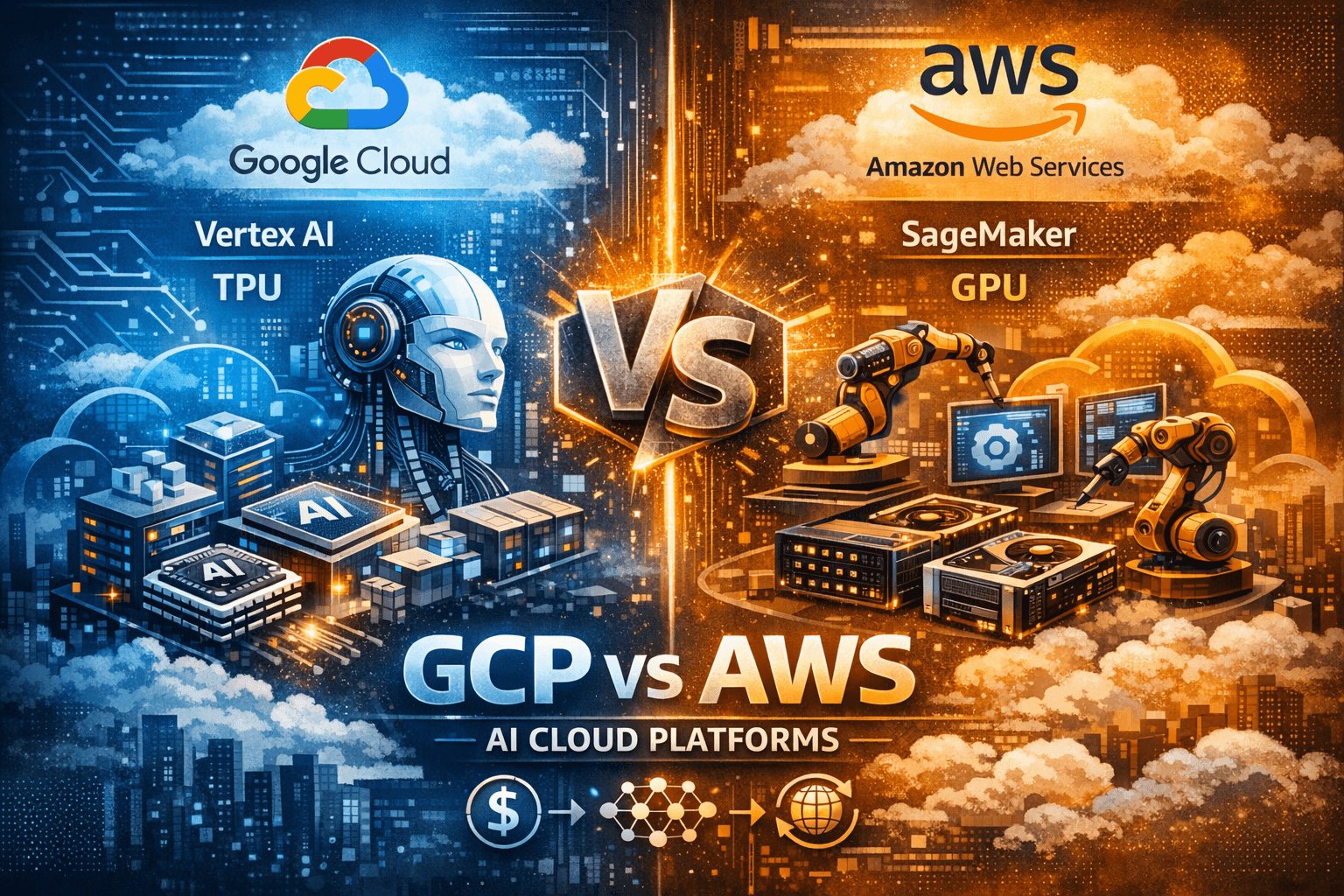
Selecting between Google Cloud Platform (GCP) and Amazon Web Services (AWS) for enterprise AI workloads in 2024 is a strategic infrastructure decision that directly impacts cost efficiency, scalability, MLOps maturity, and long-term digital transformation outcomes.
As artificial intelligence adoption accelerates across industries, organizations are building advanced machine learning pipelines, generative AI models, real-time analytics systems, and enterprise automation frameworks. Choosing the right AI cloud infrastructure determines not only performance — but operational sustainability.
This detailed GCP vs AWS comparison for AI workloads explores platform capabilities across Vertex AI vs SageMaker, TPU vs GPU hardware acceleration, enterprise MLOps integration, cost optimization strategy, and long-term scalability architecture.
Strategic Cloud Positioning: GCP vs AWS in the AI Ecosystem
AWS maintains the largest global cloud market share and offers a deeply diversified service ecosystem. GCP, while smaller in market share, differentiates itself with analytics-native AI architecture and tight integration between data platforms and machine learning workflows.
- AWS: Broad enterprise adoption, extensive modular services, mature migration ecosystem.
- GCP: Data-first AI design, strong Kubernetes integration, streamlined ML lifecycle management.
For enterprises prioritizing artificial intelligence infrastructure, integration depth often matters more than service breadth.
Vertex AI vs SageMaker: Enterprise MLOps Capability Analysis
Google Vertex AI
Vertex AI is Google Cloud’s unified machine learning platform designed to consolidate data preparation, model training, deployment, and monitoring under a single MLOps framework.
- Native BigQuery integration for analytics-driven ML
- Built-in AutoML capabilities
- Integrated Feature Store
- TensorFlow optimization
- Pipeline orchestration with reduced engineering overhead
For data-centric enterprises, Vertex AI minimizes architectural fragmentation and accelerates production-grade ML deployment.
AWS SageMaker
AWS SageMaker provides highly configurable ML development environments with extensive framework flexibility and distributed training capabilities.
- Multi-framework support (PyTorch, TensorFlow, custom containers)
- Granular training instance control
- Advanced inference optimization
- Deep AWS ecosystem integration
SageMaker offers powerful flexibility but often requires additional architectural design to achieve fully integrated enterprise MLOps maturity.
AI Hardware Acceleration: TPU vs GPU Infrastructure
Hardware acceleration significantly influences deep learning performance and total cost of ownership.
Google TPUs
Google’s Tensor Processing Units (TPUs) are purpose-built AI accelerators optimized for large-scale deep learning and transformer models.
- High performance-per-dollar efficiency
- Optimized for distributed training
- Strong TensorFlow ecosystem alignment
AWS GPU Instances
AWS offers a broad range of GPU instances including NVIDIA A100 and H100 configurations, enabling flexible compute scaling across diverse machine learning workloads.
- Framework-agnostic compatibility
- High-performance compute options
- Granular scaling flexibility
Organizations must evaluate workload characteristics to determine whether TPU optimization or GPU flexibility aligns better with their AI strategy.
Enterprise Data Integration & AI Pipeline Architecture
Artificial intelligence systems are only as effective as their underlying data architecture.
GCP’s seamless integration between BigQuery and Vertex AI enables organizations to transition from analytics to model training with minimal data movement overhead. This unified data-to-ML workflow reduces latency and operational complexity.
AWS offers Redshift, Athena, Glue, and additional data services. While highly capable, orchestration across multiple services may require additional engineering coordination.
Scalability & Global AI Infrastructure
Both AWS and GCP provide global multi-region deployments, high availability architecture, and enterprise-grade security standards.
- GCP: Kubernetes-native design with strong AI-first positioning.
- AWS: Broad enterprise service portfolio and legacy system integration depth.
Infrastructure alignment with existing systems often becomes a deciding factor in enterprise AI cloud adoption.
Cost Optimization & AI Infrastructure Economics
AI cloud cost management depends on workload classification and architectural precision.
- Training-intensive deep learning workloads may benefit from TPU efficiency.
- Hybrid inference and compute scaling may align better with GPU infrastructure.
- Analytics-heavy ML systems can reduce data transfer costs via BigQuery-native pipelines.
Without structured cloud architecture planning, AI infrastructure costs can escalate rapidly. Strategic provisioning and MLOps governance are essential.
Security, Compliance & Enterprise Governance
Both cloud providers maintain enterprise-grade IAM controls, encryption standards, compliance certifications, and regional data governance options. Regulated industries must evaluate compliance requirements including GDPR, HIPAA, and SOC certifications before selecting AI infrastructure.
Final Strategic Recommendation
The decision between GCP vs AWS for AI workloads should be guided by:
- Existing cloud ecosystem investment
- Machine learning framework alignment
- Data architecture maturity
- Scalability objectives
- Long-term AI transformation roadmap
There is no universal winner — only the platform that best aligns with enterprise AI objectives, operational maturity, and cost governance strategy.
Need Enterprise AI Cloud Strategy Support?
Syncverse Solutions helps organizations design scalable AI cloud architecture, implement enterprise MLOps frameworks, optimize infrastructure costs, and align AI systems with long-term digital growth strategy.
Contact our team for a structured AI cloud consultation tailored to your enterprise environment.
Build a Scalable Data Strategy for Your Business
Transform raw data into strategic intelligence with structured analytics implementation.
Book a Free Strategy CallExplore More Insights
Continue learning with practical strategies, implementation guides, and expert perspectives on analytics, CRM, and digital growth.
2024-07-20
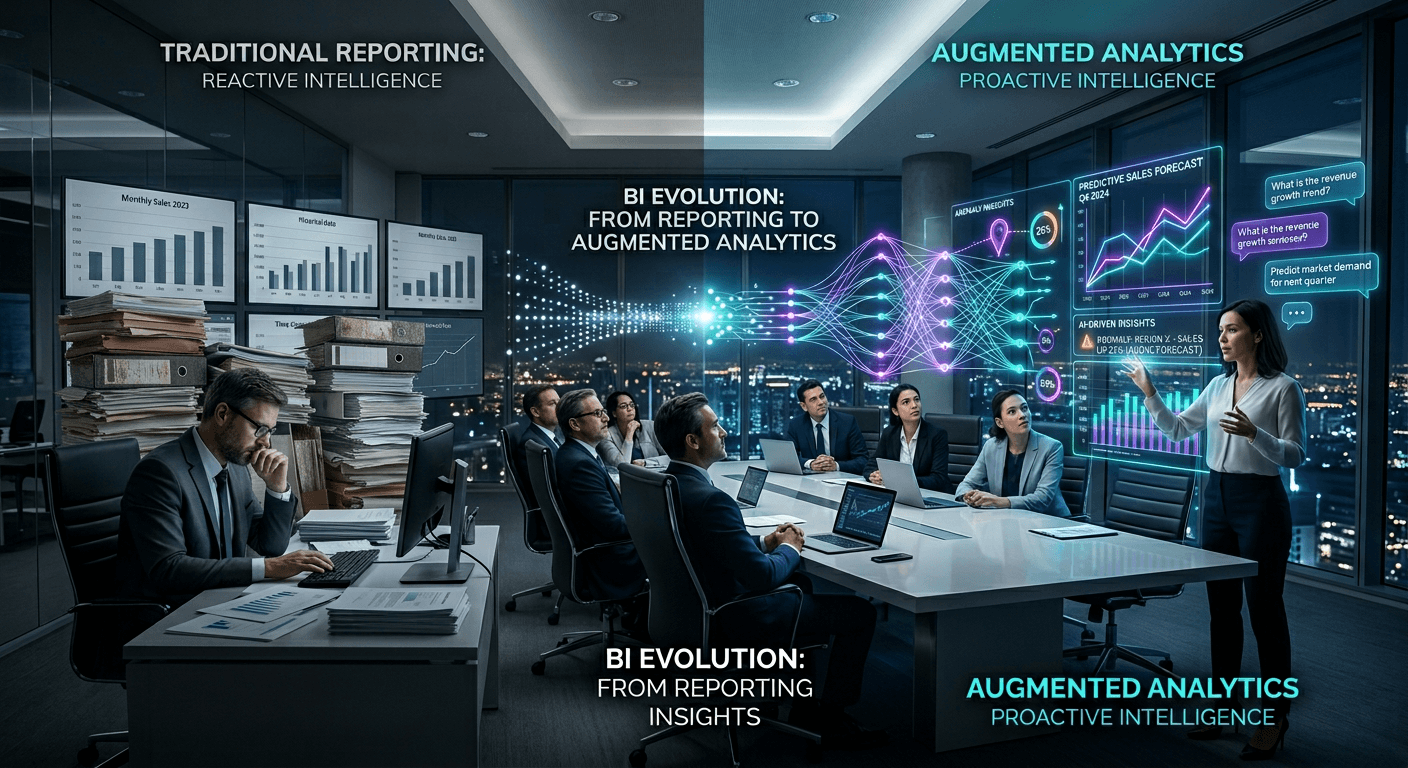
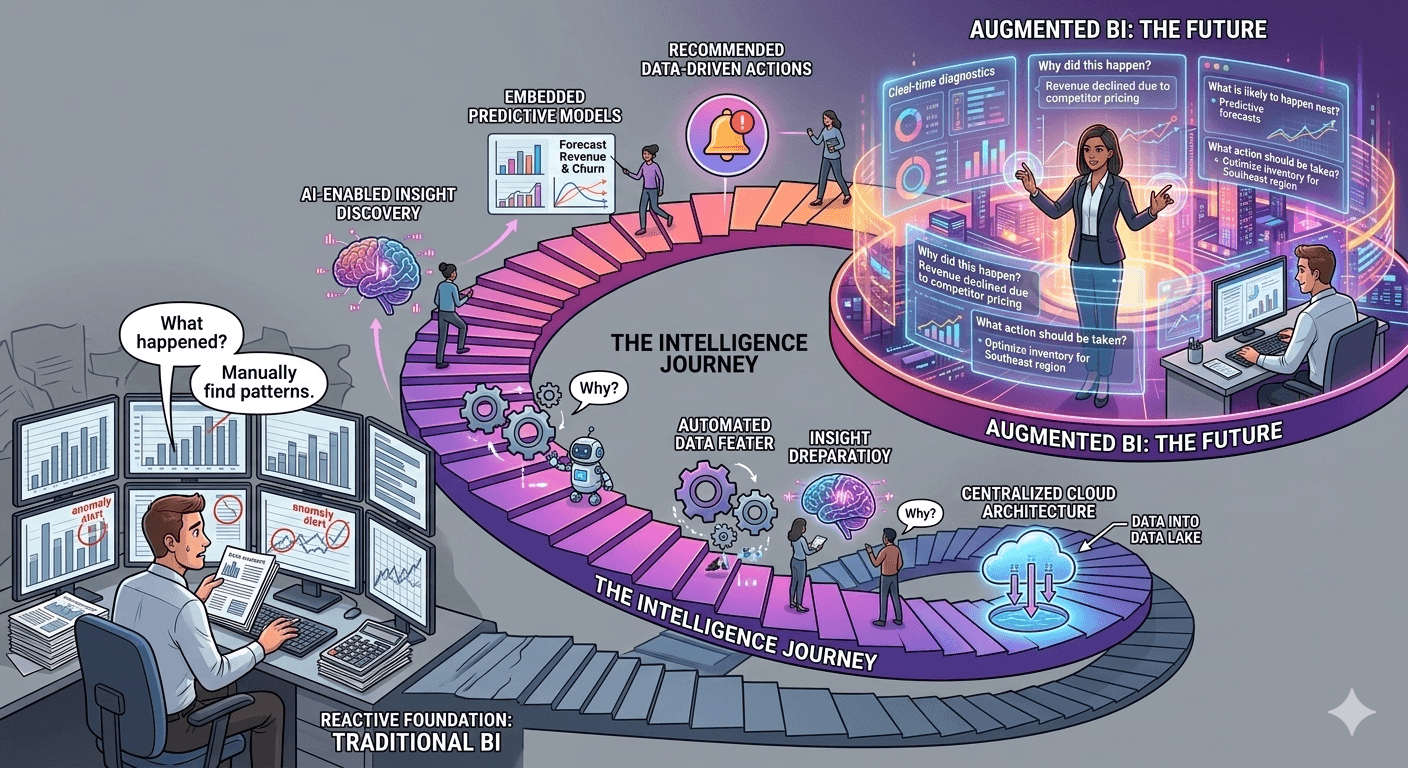
The Future of Business Intelligence is Augmented: AI-Powered Enterprise Analytics in 2024
Explore how augmented analytics is transforming business intelligence in 2024 with AI-powered insights, automated anomaly detection, predictive forecasting, NLP-driven dashboards, and enterprise data intelligence frameworks.
2024-07-15
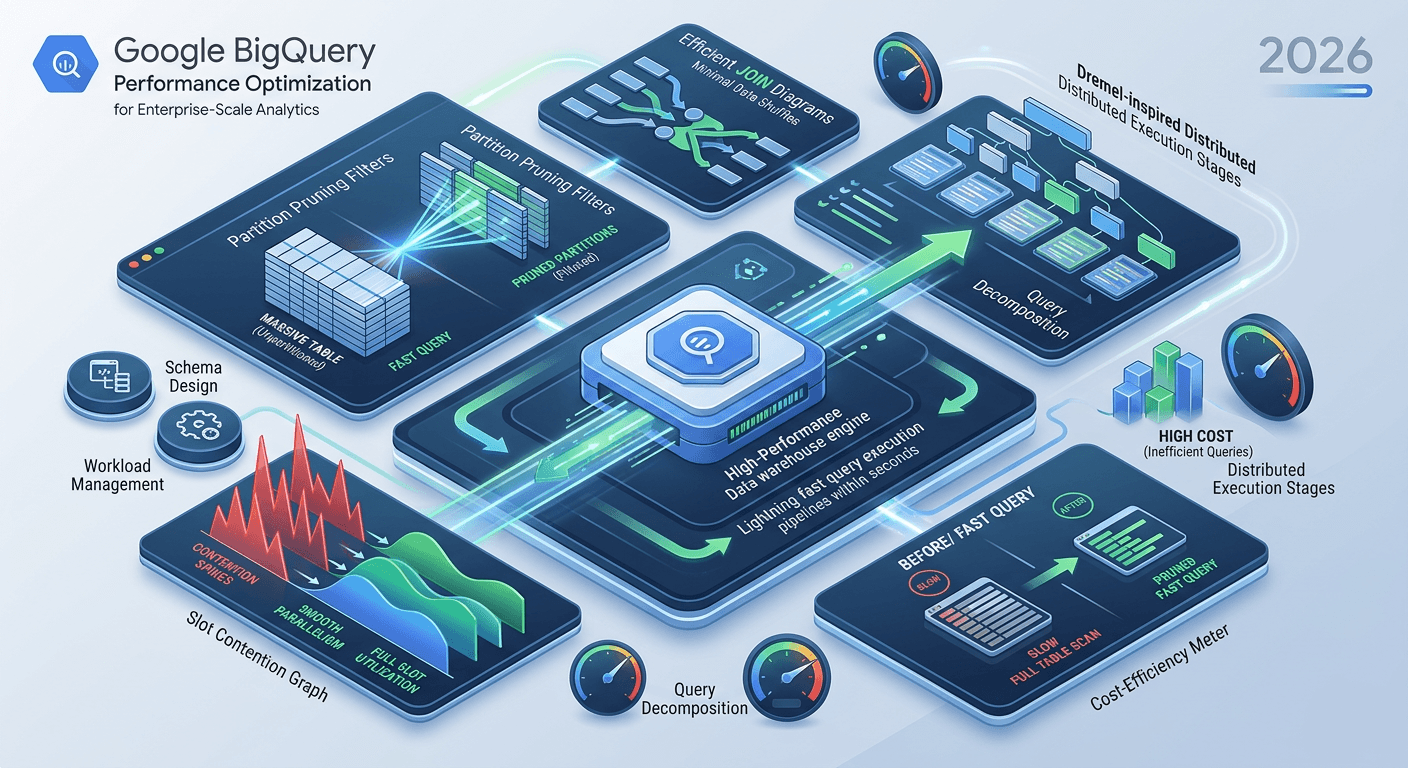
BigQuery Performance Optimization Guide 2024: Advanced Strategies to Improve Query Speed and Reduce Cost
A complete 2024 BigQuery performance optimization guide covering partitioning, clustering, slot tuning, query plan analysis, materialized views, storage design, shuffle reduction, and cost control for enterprise analytics workloads.
2024-07-30
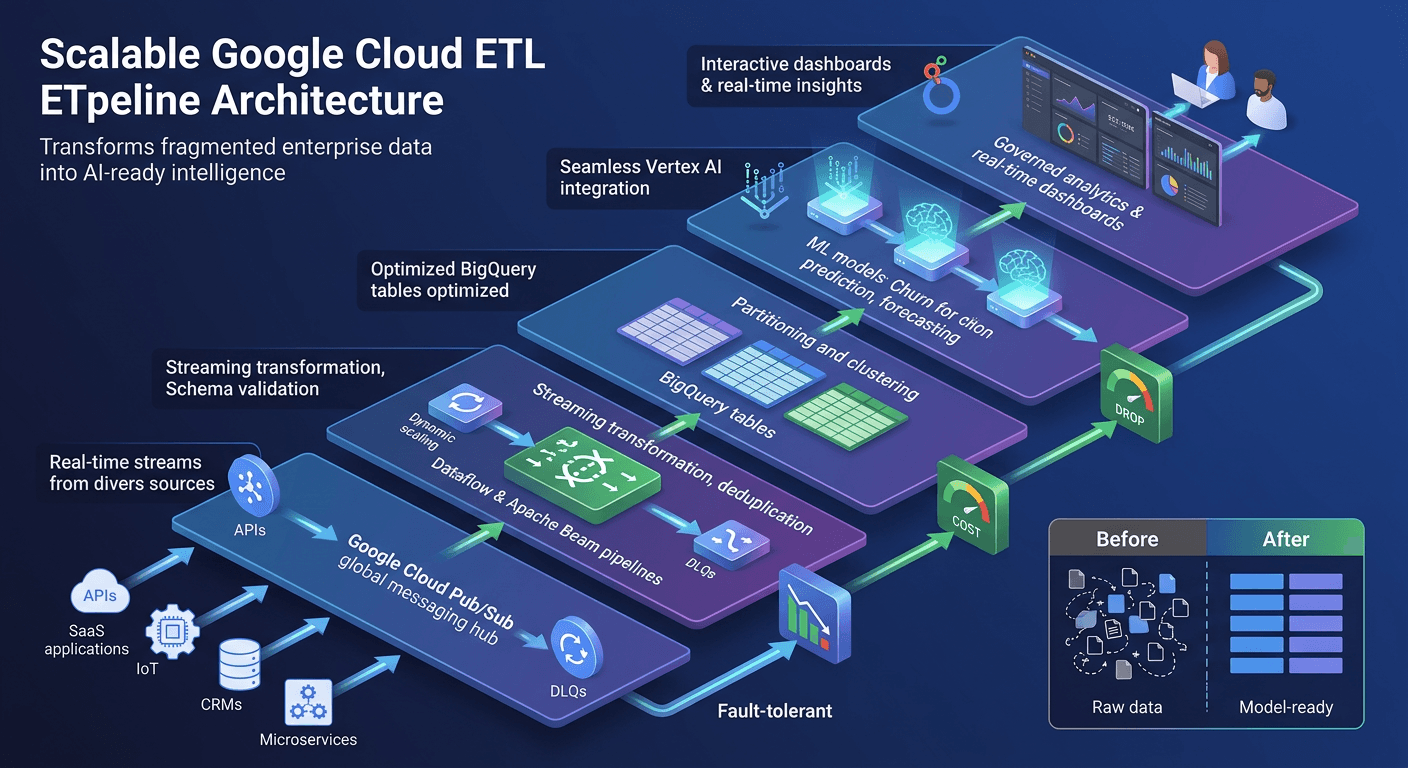
From Messy Data to Model-Ready Pipelines: Designing Scalable ETL Architecture on Google Cloud
A comprehensive guide to building modern ETL pipelines on Google Cloud using Pub/Sub, Dataflow, BigQuery, and Vertex AI to transform fragmented enterprise data into governed, analytics-ready, and AI-ready systems.
2025-02-15
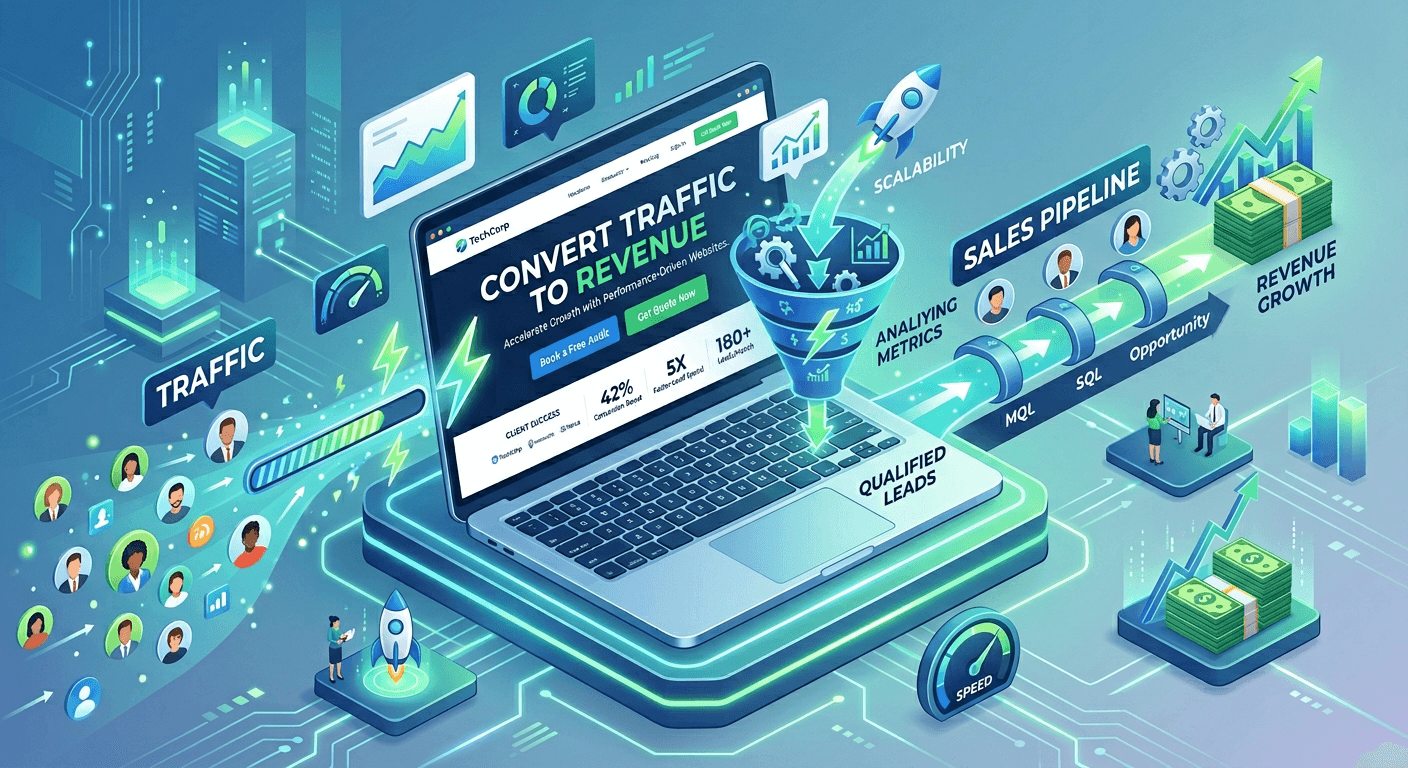
Why Most Business Websites Fail at Lead Generation (And How to Fix It in 2025)
Discover why most business websites fail at lead generation and learn the exact conversion architecture, UX strategy, analytics integration, and automation framework needed to turn traffic into qualified leads.
2025-01-10
The Importance of Data Visualization in Business Operations: Driving Smarter Decisions with Visual Intelligence
A comprehensive guide to understanding the importance of data visualization in business operations, covering executive dashboards, operational analytics, KPI monitoring, predictive visualization, and strategic decision-making frameworks.
2025-01-18
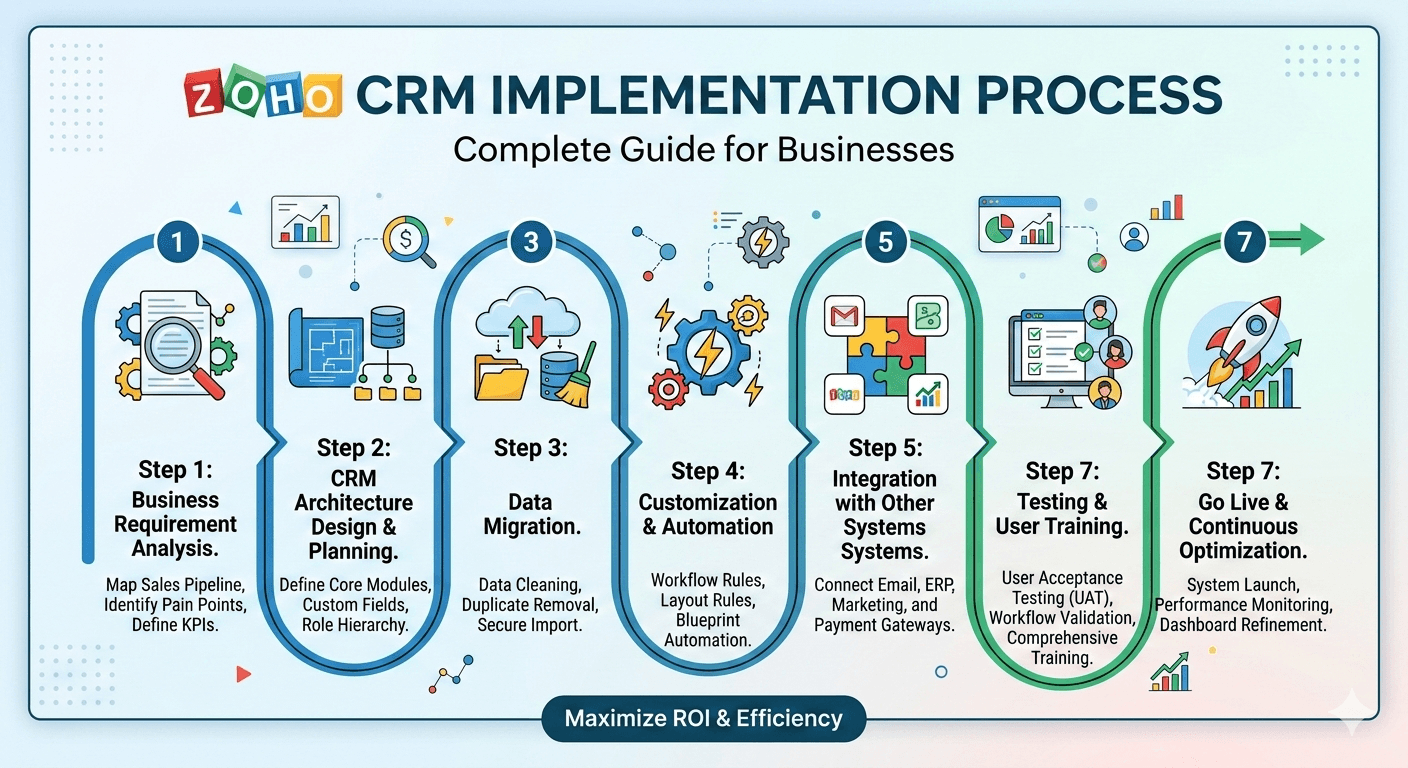
Zoho CRM Implementation Process for Businesses: Complete Step-by-Step Guide
A complete guide explaining the Zoho CRM implementation process for businesses, including setup, customization, automation, integration, and optimization strategies.
2025-02-10
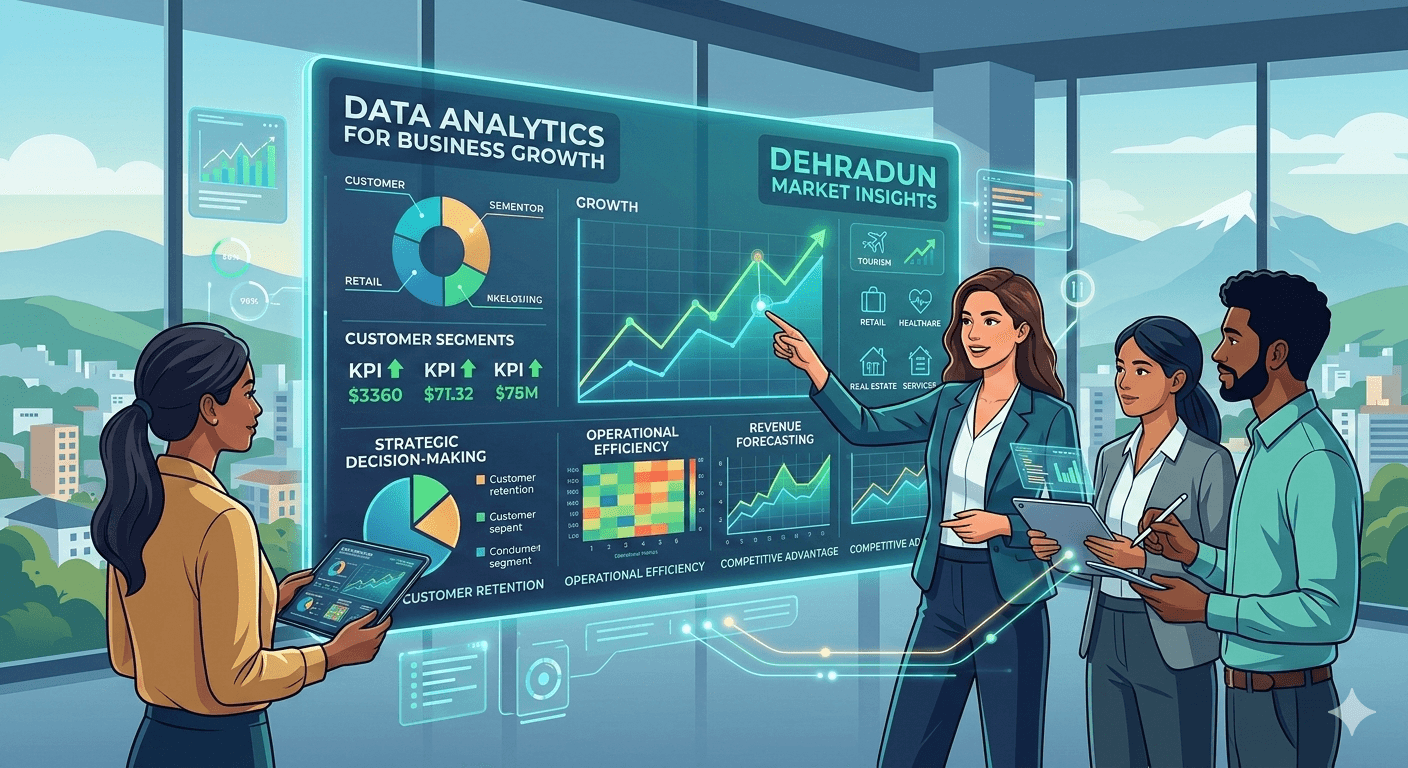
How Data Analytics for Businesses in Dehradun Improves Decision-Making and Growth
A strategic guide explaining how data analytics for businesses in Dehradun enhances decision-making, operational efficiency, forecasting accuracy, customer insights, and long-term scalability.
2025-01-22
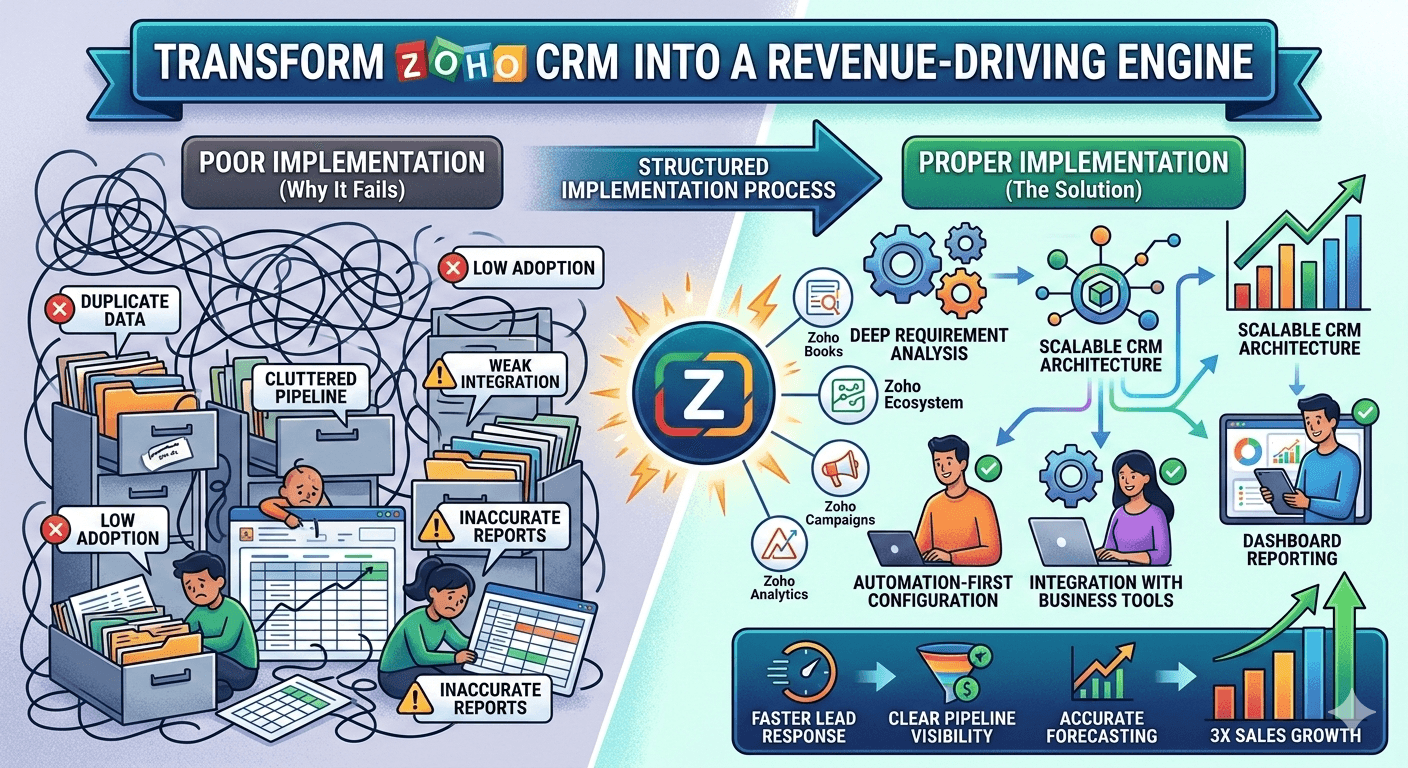
Why Zoho CRM Fails for Most Businesses (And How Proper Implementation Drives 3X Sales Growth)
Discover why many Zoho CRM implementations fail and how a structured Zoho CRM implementation process, automation strategy, and integration framework can drive measurable sales growth and operational efficiency.
2025-01-30
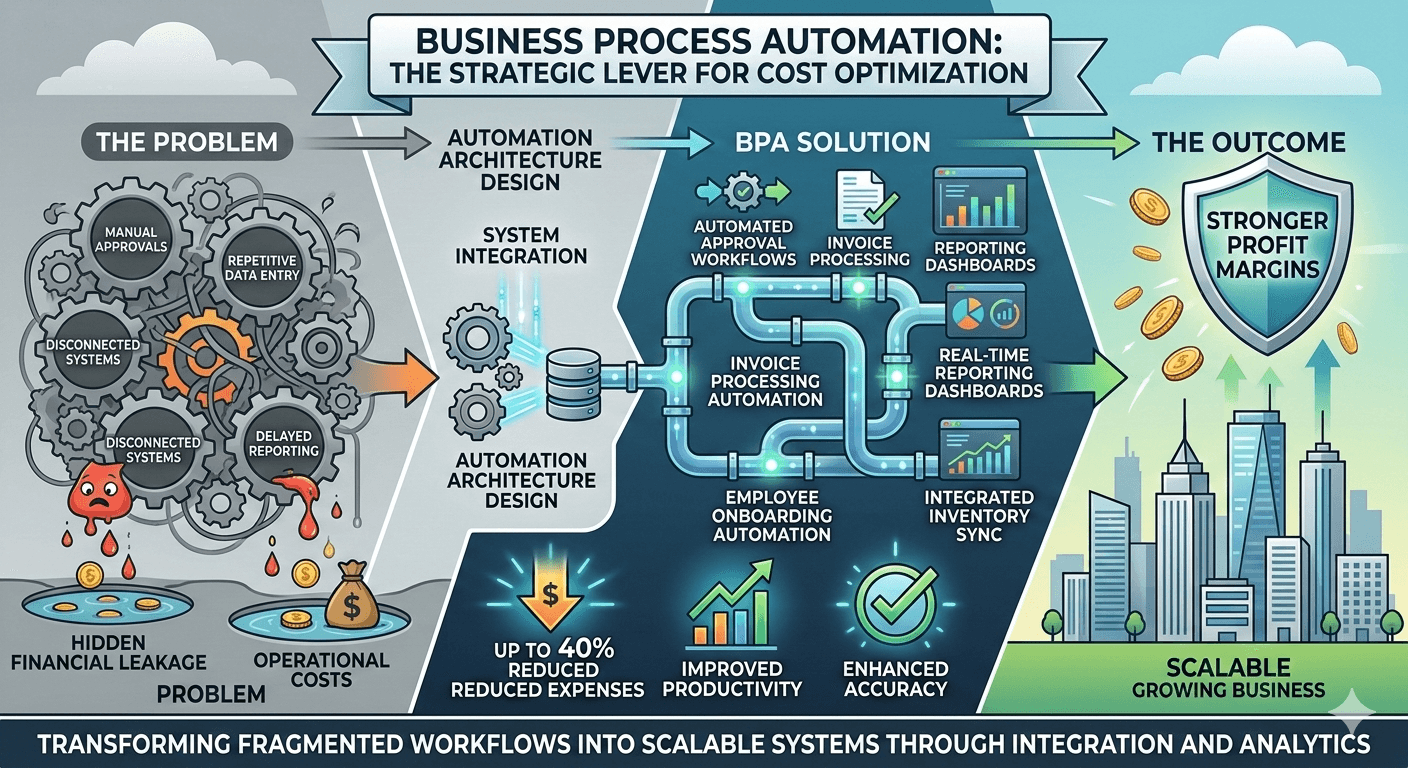
How Business Process Automation Reduces Operational Cost by 40%: A Strategic Guide for Modern Enterprises
Discover how business process automation reduces operational costs by up to 40% through workflow automation, system integration, analytics-driven optimization, and digital transformation strategies.